LOVE-ALL
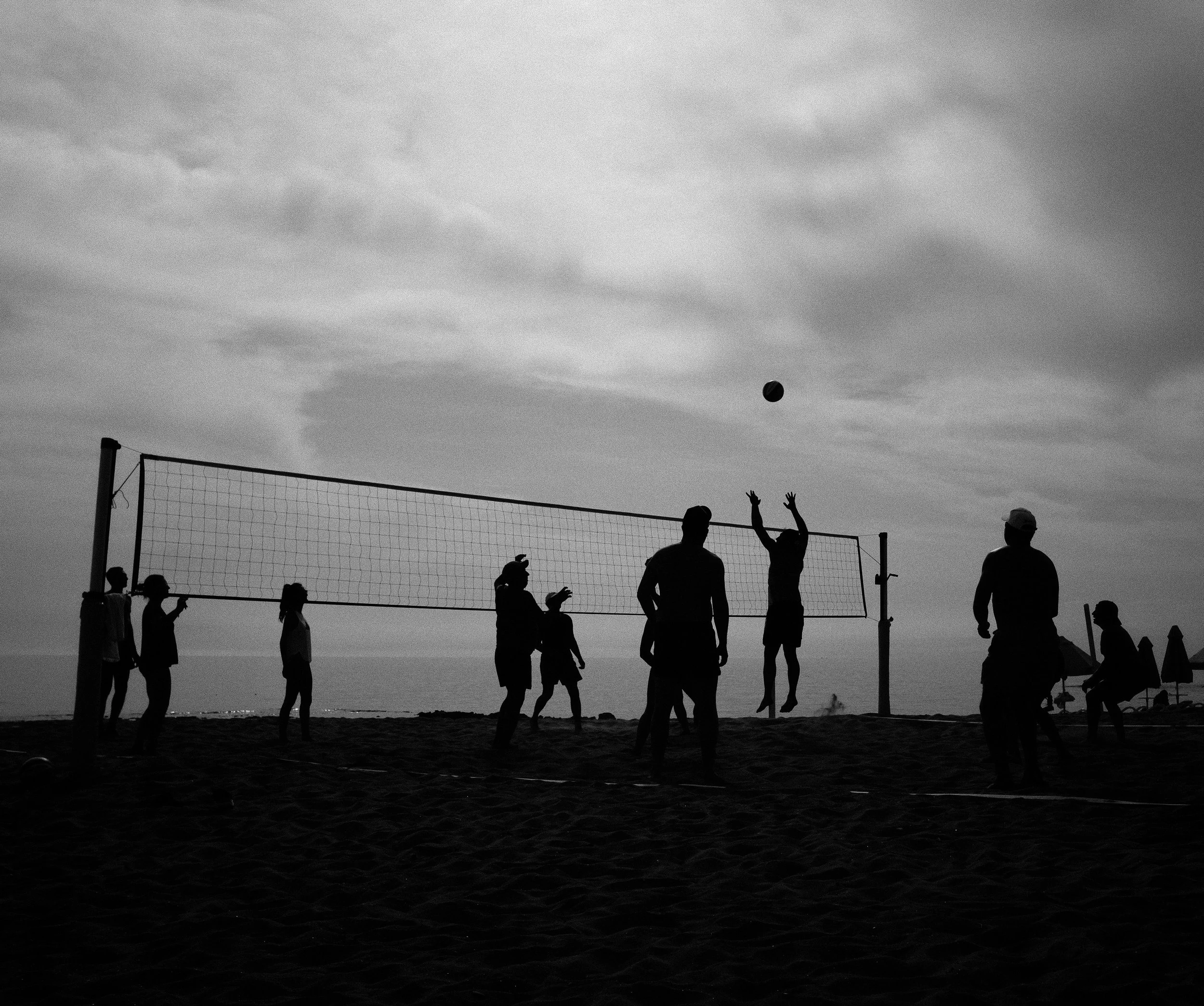
“LOVE ALL.”
A simple phrase that starts a game at 0–0, full of excitement, unity, and goodwill. But as the game proceeds with a few missed shots and errors, frustration slowly starts to build within ourselves, within the team, and sometimes toward others, and with it, the love and camaraderie slowly begin to fade.
The cool winter Sunday evenings sparked a volleyball frenzy among a few sports enthusiasts in the church. And to have a space and the opportunity to play is a stark reminder of God’s grace in such unprecedented times. However, these past few weeks of volleyball, whether I have been on the sidelines or in the game, have quietly revealed a lot about my own heart and, in many ways, have helped me reflect on a Christian's walk in the church.
As soon as the teams are drawn, we instinctively label them as “strong” or “weak.” Some teams look stacked, full of skilled players, seemingly the best of the best. Yet even in those teams, it becomes clear that no one can really function alone. We are made to work together, reminding me of Paul’s words in Philippians 1:27, where he calls the church to “stand firm in one spirit, with one mind striving side by side for the faith of the gospel.”
No matter how talented we may be individually, we are far stronger when we work together as one body in one spirit, as brothers and sisters in church and teammates in volleyball or any other sport.
At the same time, our teams are usually a mix of experienced players and those who are still learning, including children. If I am honest, there’s often a tendency to limit the involvement of less experienced players or step in to take their shots just to avoid mistakes. Over time, I have realized this doesn’t really help anyone. 1 Corinthians 12:14-26 has been especially encouraging here, emphasizing how every part of the body matters, and that the parts that seem weaker are indispensable. When we begin to see each person that way, it changes how we play and how we relate to one another, and in the bargain, the game actually gets better.
This has personally challenged me (both on and off the court) to grow in patience, to walk alongside a weaker brother or sister, and to value people not just for what they bring to the table but simply because they are part of the body of Christ.
So, when people are trusted, encouraged, intentionally involved, and gently guided along the way, we are building the church and imitating Christ.
People then slowly gain confidence, develop skills, and grow stronger.
On a more personal note, there are moments in the game when I see the ball coming right at me, and I hesitate to take the shot. Instead of calling out for the shot by screaming “I shall”, I duck. Thinking it through, I guess part of that hesitation comes from the weight of responsibility. The moment I call for the ball, I am taking ownership of the outcome. I am committing to sending it over the net. And perhaps, deep down, there’s a fear of failing and letting the team down. There’s a subtle thought that if I stay silent and miss it, someone else might step in and still get the job done.
I think sometimes we hesitate to take responsibility, not because we may be incapable of doing the task, but because we are afraid of failing, of not being able to follow through, or being held accountable. But I have also noticed the difference it makes when the team responds with encouragement instead of criticism. When someone misses a shot, and another comes alongside to guide and say, “Try it this way next time,” it changes the whole atmosphere.
It becomes a space where people are willing to try, to grow, and even fail without fear.
In a gentle way, that’s been making me reflect on how we live as a church. Not perfectly, but prayerfully, learning to encourage one another, to step forward when needed, and to support each other along the way.
Another simple reminder has been this: that learning in itself is not enough. I have watched more volleyball tutorials than I can count, trying to figure out how to receive or return a shot. But until I step onto the court and actually practice, it all remains theory.
Isn’t this the case even in our Christian walk?
We can read great books, listen to amazing sermons, and learn so much, but real growth comes when those truths begin to take shape in our everyday lives, in the way we speak, respond, serve, forgive, or encourage others.
“When we are united with Christ, he is present in everything, in church, at home, at work, and even on a volleyball court.”
Paul, in his prayer of thanksgiving, writes in Colossians 1:5–6, that the gospel, which the church in Colossae received, is “bearing fruit and increasing.” That is the expectation, that what we hear and understand would take root in our lives and produce visible fruit.
Lastly, something the Lord has been reminding me of often is the tendency to categorize activities like Bible reading, prayer, church ministry, etc., as “spiritual”, while placing everything else in life in a different category. But Paul reminds us through 1 Corinthians 10:31 (which says “So, whether you eat or drink, or whatever you do, do all to the glory of God”) that a Christian’s life is not meant to be divided that way. The Lord is not disconnected from the everyday parts of our lives.
When we are united with Christ, he is present in everything, in church, at home, at work, and even on a volleyball court.
That means even something as simple as a game becomes an opportunity. An opportunity to display your ambassador status, to reflect Christ, and to boldly speak about him, reconciling all to him, whether those watching or those playing alongside us (2 Corinthians 5:20).
In the small, ordinary moments, even in the middle of a game, there is a chance to display Christ’s love, maybe not perfectly, but sincerely, in the way we speak, respond, and carry ourselves.
I cannot end without expressing how grateful I am for these volleyball evenings. I love the game, the laughter, the friendships, and just the simple joy of spending my Sunday evenings with people who are not just my friends, but my brothers and sisters who love Jesus. Whether or not our Volleyball Sundays continue, let us strive, both on and off the court, to reflect Christ in all that we do, even as we build one another through the competition, the frustrations, the wins, and the losses alike. And so may not just all our games, but our lives as well reflect the way the game begins: LOVE ALL… because he first loved us (1 John 4:19).